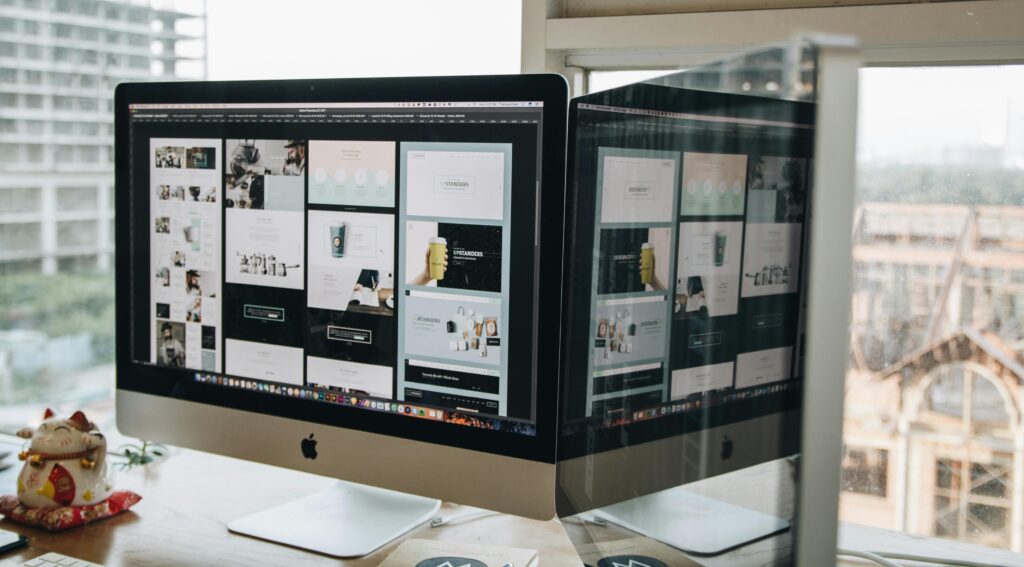
Designers adapt to AI the same way they have adapted to every major technological shift before it. Not by fighting it. Not by pretending it does not exist. But by figuring out how to use it on their own terms, in ways that make their work better rather than their role smaller.
The way designers adapt to AI today follows the same pattern as every major disruption in history. The tools change. The need for human creative judgment does not. And if history has taught us anything, it is that the arrival of a powerful new technology does not eliminate the demand for human craft. It often intensifies it.
This is not the first time the design profession has faced a moment like this. In fact, it will not be the last. Therefore, the designers who understand that history have a significant advantage over those who do not.
Designers Have Always Adapted to Major Shifts
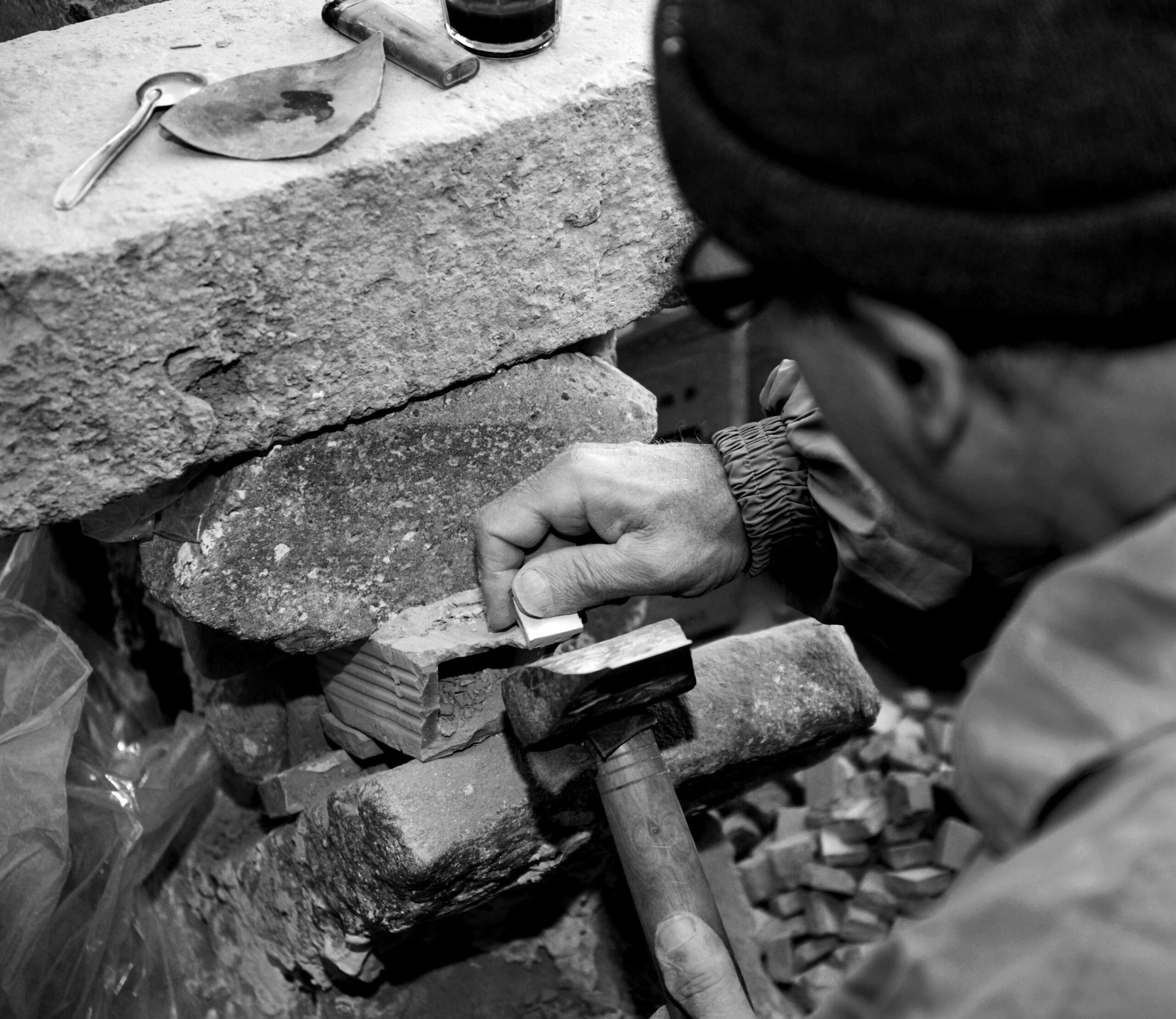
Think about what the industrial revolution meant for craftspeople. Suddenly, machines could produce in hours what skilled artisans had spent days creating by hand. The fear of being replaced was not irrational. It was a completely reasonable response to a genuine disruption.
And yet, something interesting happened. As a result, craft did not die. In fact, it became more valuable. As mass production made furniture, clothing, and household goods cheaper and more accessible than ever before, a parallel market emerged for handmade, thoughtfully crafted items. People started paying a premium for the things that machines could not replicate. The imperfections, the intentionality, the evidence of a human hand and a human mind behind the work.
Think about furniture today. We can mass produce a dining table at a fraction of the cost of a handmade one. Flat-pack furniture is everywhere and it is perfectly functional. However, premium handmade furniture is heavily sought after and people are genuinely willing to pay significantly more for it. The existence of cheap mass production did not kill the market for exceptional craft. On the contrary, it created a clearer contrast that made exceptional craft easier to recognize and easier to justify paying for.
The Internet Forced Designers to Adapt Too
When the web became widely accessible in the 1990s, the design profession reinvented itself almost entirely. Print designers had to learn new tools, new constraints, and an entirely new way of thinking about how people experience visual communication. Interactive design, user experience, responsive layouts. None of these existed as disciplines before the internet made them necessary.
Each of these shifts felt seismic at the time. Each one produced genuine fear in the design community. Additionally, each one ultimately created more opportunities for designers than it eliminated. Furthermore, each shift rewarded the designers who engaged with it thoughtfully rather than either embracing it blindly or rejecting it outright.
Designers adapt to AI the same way they adapted to every one of these moments. With curiosity, with critical thinking, and with a clear sense of what is uniquely human about what they do.
The Honest Reality of How Designers Adapt to AI Today
The design world is moving fast right now. Genuinely fast. New AI tools are launching constantly, each one claiming to revolutionize some part of the creative process. Keeping up feels overwhelming because it is overwhelming. There are simply too many tools to evaluate properly, and the environment is changing faster than any one person can track.
That overwhelm is worth naming directly because it is the thing most designers are not admitting out loud. The fear of being left behind is real. The fear of choosing the wrong tools and wasting time is real. The pressure to be on the cutting edge of something that has no clear edge yet is genuinely stressful.
However, that stress comes from trying to use AI everywhere at once rather than figuring out where it actually fits in a specific workflow. That is a trap worth avoiding.
The Tool Overload Problem Designers Face With AI
When AI tools started becoming mainstream, the temptation was to try everything. Website mockup generators, logo makers, copywriting tools, image generators, code assistants, UX research tools. The list is endless and grows longer every week.
The honest reality is that not all of these tools are worth your time. Some are genuinely transformative. Others are impressive demos that do not hold up in real professional workflows. Figuring out which is which requires experimentation, and that experimentation takes time that most designers do not have in abundance.
The most useful reframe is to stop asking “how can I use AI?” and start asking “what parts of my work do I find tedious, slow, or frustrating?” Those are the places where AI is most likely to add genuine value. That is how designers adapt to AI in a way that actually sticks.
Where Designers Adapt to AI and See Real Results
After experimenting with a wide range of tools, a clear pattern emerges about where AI genuinely earns its place in a design workflow and where it falls short.
The places where AI consistently delivers real value tend to be the less glamorous parts of the design process. The work that needs to be done but does not require your best creative thinking.
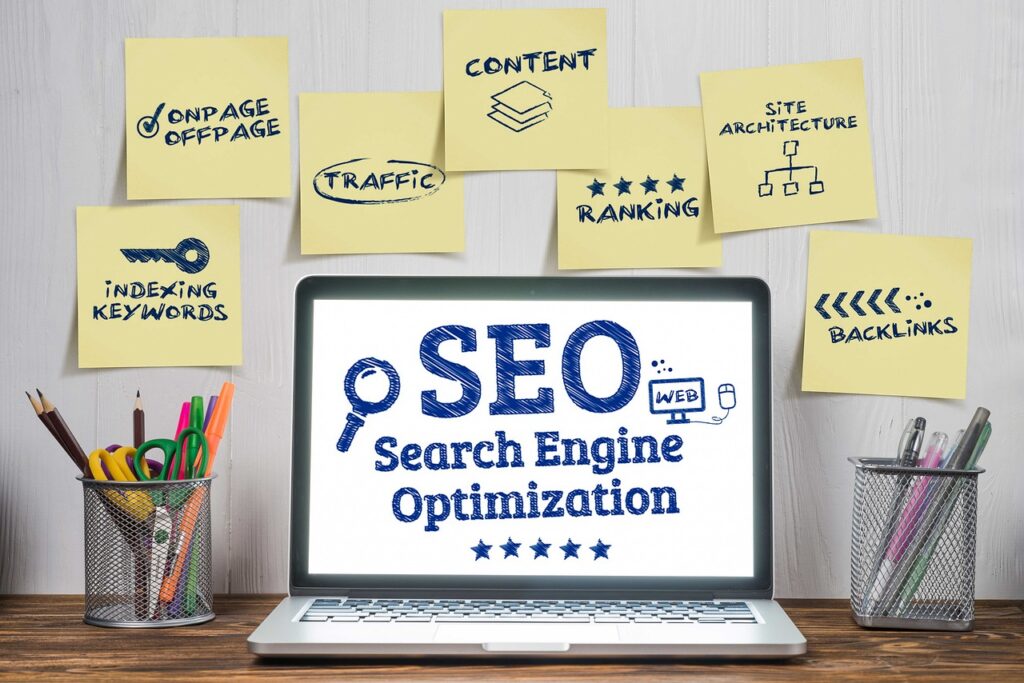
Generating sitemaps and information architecture drafts is a good example. Describe a project and AI can produce a solid starting framework in minutes. That framework will need refinement, but it gives you something to react to rather than a blank page to fill. For many designers, reacting to something is significantly faster than generating from nothing.
Similarly, mapping out user flows and user journeys is an area where AI provides genuine insight. It can identify friction points, suggest alternative paths, and flag considerations that might not have occurred to you in the initial planning phase. The result is not a finished deliverable. It is a strong first draft that your expertise then shapes into something genuinely useful.
Mood boarding and visual direction exploration is another area where AI earns its place. Tools like Midjourney can generate visual references that capture a feeling or aesthetic direction faster than any manual search process. Again, the AI is not making the creative decision. You are. It is simply expanding the range of inputs you have to work with.
Starter content generation is useful too, with an important caveat. AI-generated copy is always a starting point and never a finished product. It needs a human voice, human judgment, and human editing before it is ready to go in front of a client. However, having something to react to and refine is consistently faster than writing from scratch.
Where AI Falls Short for Designers
It is equally important to be honest about where AI does not deliver. Website mockup generation, for example, tends to produce results that look impressive at first glance but do not hold up under professional scrutiny. The layouts are generic. The hierarchy is often wrong. The kind of considered, intentional design thinking that comes from understanding a specific client and their specific audience simply cannot be replicated by a prompt.
This is not a failure of AI. It is simply an honest assessment of what the technology currently does well and what it does not. That assessment will change over time. However, for now, the places where AI adds the most value are the process and production tasks, not the core creative decisions.
How Designers Adapt to AI Without Abandoning Their Values
Something important needs to be said here that most AI articles skip over entirely.
There is a completely legitimate space in the design industry for designers who choose not to incorporate AI into their work at all. Not every designer needs to use these tools, and the resistance some designers feel is not simply fear or stubbornness. For many, it comes from a genuine and thoughtful position about the value of human creative work and the ethics of how AI systems are built and trained.
Those concerns are valid. The questions around AI and intellectual property, the environmental cost of large language models, and the broader societal impact of automation are all serious conversations worth having. Designers who have engaged with these questions and concluded that AI does not belong in their workflow deserve respect for that decision, not dismissal.
Additionally, there is a growing market of clients who specifically want to work with designers who keep AI out of their process. They value the guarantee of purely human creative work and are willing to pay for it. That market is not only real, it is likely to grow.
Why Human Design Will Command a Premium as Designers Adapt to AI
Here is where the industrial revolution parallel becomes really interesting. Right now, everyone in the design industry is rushing to incorporate AI. Speed, volume, and efficiency are being celebrated as the primary benefits. Generate more. Produce faster. Do more with less.
However, history suggests that this moment will eventually produce its own counterreaction. Just as mass production created a premium market for handmade furniture and thoughtfully crafted goods, the AI revolution will create a premium market for human-centered design. Slower, more intentional, more deeply considered creative work will become a differentiator rather than a liability.
There are already clients who question whether AI was involved in their project. There are already designers marketing themselves explicitly on the basis of human-only creative work. As AI-generated content becomes more widespread and more recognizable, the demand for work that is demonstrably human in its thinking and execution will increase rather than decrease.
This means there is plenty of space right now for designers who want to move at a thoughtful, human pace and produce work that reflects genuine creative investment. That is not a compromise. It is a positioning choice. And it is one that will command a premium as the market matures.
What AI Cannot Replace
This is the part that matters most and it is worth being direct about.
AI cannot replace creative thinking. Not real creative thinking. It can generate ideas you have not thought of, surface combinations you might not have considered, and produce variations faster than any human can. However, it cannot replicate the kind of original, unexpected, genuinely novel thinking that comes from a human mind with a unique set of experiences, perspectives, and emotional responses to the world.
Everyone thinks differently. That diversity of thought is one of the most fundamental reasons humanity has advanced as far as it has. Every major breakthrough in science, art, technology, and culture has come from a human mind making a connection that was not obvious, asking a question that had not been asked, or seeing a problem from an angle nobody else had considered. AI cannot do that. It can only recombine and extrapolate from what already exists.
Human emotion is equally irreplaceable. So much of design is led by feeling. The instinct that a layout feels wrong even when you cannot immediately articulate why. The sensitivity to what a client’s audience will respond to emotionally. The judgment about when to follow a convention and when to break it. These are not analytical decisions. They are deeply human ones, and they are central to what makes great design great.
The skill that matters most right now
The most valuable skill a designer can develop right now is not prompt engineering or proficiency with any specific AI tool. It is critical thinking. The ability to evaluate AI output with a discerning eye, identify what is genuinely useful and what is generic or wrong, and apply human judgment to shape raw AI output into something that actually serves a real purpose for a real person.
That skill is entirely human. It cannot be automated. And it becomes more valuable, not less, as AI tools become more widespread.
How Designers Adapt to AI Without Losing Their Creative Identity
The most important piece of advice for any designer navigating this moment is deceptively simple. Be intentional about where AI enters your process.
Do not try to use AI everywhere at once. Start with one part of your workflow that feels genuinely tedious or slow. Experiment with AI tools in that specific area. Evaluate whether they actually improve the outcome or just change the process. Then decide whether to keep them, adjust how you use them, or move on.
This approach avoids the tool overload problem entirely. Instead of trying to evaluate dozens of tools simultaneously, you are evaluating them one at a time against a specific and concrete need. That is a much more manageable and much more productive way to engage with a fast-moving landscape.
Set limits on learning time
One of the biggest traps in any rapidly evolving technology environment is the feeling that you need to know everything before you can use anything. You do not. The designers who are getting the most value from AI tools right now are not the ones who have tried everything. They are the ones who have found two or three tools that fit naturally into their existing workflow and have gotten genuinely good at using them.
Give yourself permission to not know everything. The landscape will keep changing regardless of how much time you spend trying to keep up with it. Focus on being excellent at the parts of design that are uniquely yours, and let AI handle the parts that do not require your best thinking.
What the Future Looks Like as Designers Adapt to AI
The question of how designers adapt to AI over the next decade is one nobody can answer with certainty. Anyone who claims to know exactly what the design industry will look like in five or ten years is not being honest.
What does seem clear is that the pattern established by every previous technological revolution will repeat itself. The initial disruption produces fear and overcorrection. Then the market finds its equilibrium. And in that equilibrium, there is almost always a premium placed on the things that the new technology cannot replicate.
After the industrial revolution, handmade goods became luxury goods. After the digital photography revolution, film photography became an art form with dedicated enthusiasts willing to pay more for it. After the rise of streaming, vinyl record sales increased for fifteen consecutive years.
The same dynamic will play out in design. As AI-generated work becomes the default for speed-driven, budget-conscious projects, human-centered design will become the premium offering. Thoughtful, slower, more intentional creative work will command higher prices precisely because it will be rarer and more recognizable as distinctly human.
Designers who nurture their creativity, develop their critical thinking, and maintain a genuine human perspective on the work will have a place in whatever the industry becomes. Those who outsource their thinking entirely to AI tools will find themselves competing on price with the tools themselves, which is not a competition any human will win.
The goal is not to become an AI power user. The goal is to remain an excellent designer who uses AI as a convenient assistant rather than the lead creative voice. That has been true through every major disruption the design profession has faced. The way designers adapt to AI will follow the same pattern.
The tools change. The need for human creative judgment does not.
Explore the AI tools worth adding to your design workflow →
Frequently Asked Questions: How Designers Adapt to AI
How are designers adapting to AI in 2026?
The designers adapting most effectively are the ones treating AI as a production tool rather than a creative replacement. They use it to accelerate the work that does not require their best thinking, including generating mood boards, writing placeholder copy, documenting flows, and producing first drafts, while keeping strategic and judgment-heavy decisions firmly in their own hands. The ones struggling are either ignoring AI entirely or trying to use it everywhere at once without a clear rationale for either approach.
Is AI going to make designers redundant?
The historical pattern says no, and the current evidence supports that. Every major technological shift in design, from desktop publishing to the internet to mobile-first design, was predicted to eliminate designers. Each one ultimately created more demand for design thinking, not less. AI is displacing production-heavy entry-level work, but it is simultaneously raising the baseline for what looks professional, which makes genuine creative judgment more valuable and more visible, not less.
Which design skills are most protected from AI disruption?
The skills that require genuine human understanding are the most durable: interpreting a brief, reading a client, understanding the cultural context a design is speaking into, making strategic decisions about what will actually work for a specific audience. AI can generate options quickly; it cannot evaluate them against real human experience. The designers who build depth in judgment, strategy, and client relationships are the ones best positioned for what comes next.
How do you avoid tool overload when there are so many AI options?
Stop asking which AI tools you should be using and start asking which parts of your current workflow feel slow or frustrating. That reframe narrows the field immediately. You do not need to test every tool that launches. You need two or three that solve real problems in your specific work. Start there, get genuinely good at them, and ignore most of the rest.
Should designers disclose when they use AI in client work?
Yes. Beyond the copyright uncertainty around AI-generated assets, disclosure is simply the professional standard. Clients make decisions based on what they think they are purchasing. If AI is meaningfully involved in the deliverable, they deserve to know. A brief note in your project documentation handles this cleanly without making it a bigger conversation than it needs to be.
How is AI changing client expectations of designers?
Clients increasingly know that AI can generate something that looks reasonable quickly and cheaply. This is actually clarifying rather than threatening, because it shifts the conversation toward what AI cannot do. A client who has tried AI tools themselves and found the result lacking is a much better prospect than one who has not. The premium for human design judgment is becoming easier to justify, not harder.
Disclosure: This article contains affiliate links. If you purchase through our links we may earn a commission at no extra cost to you. This never influences our recommendations. We only suggest tools we would genuinely use ourselves.